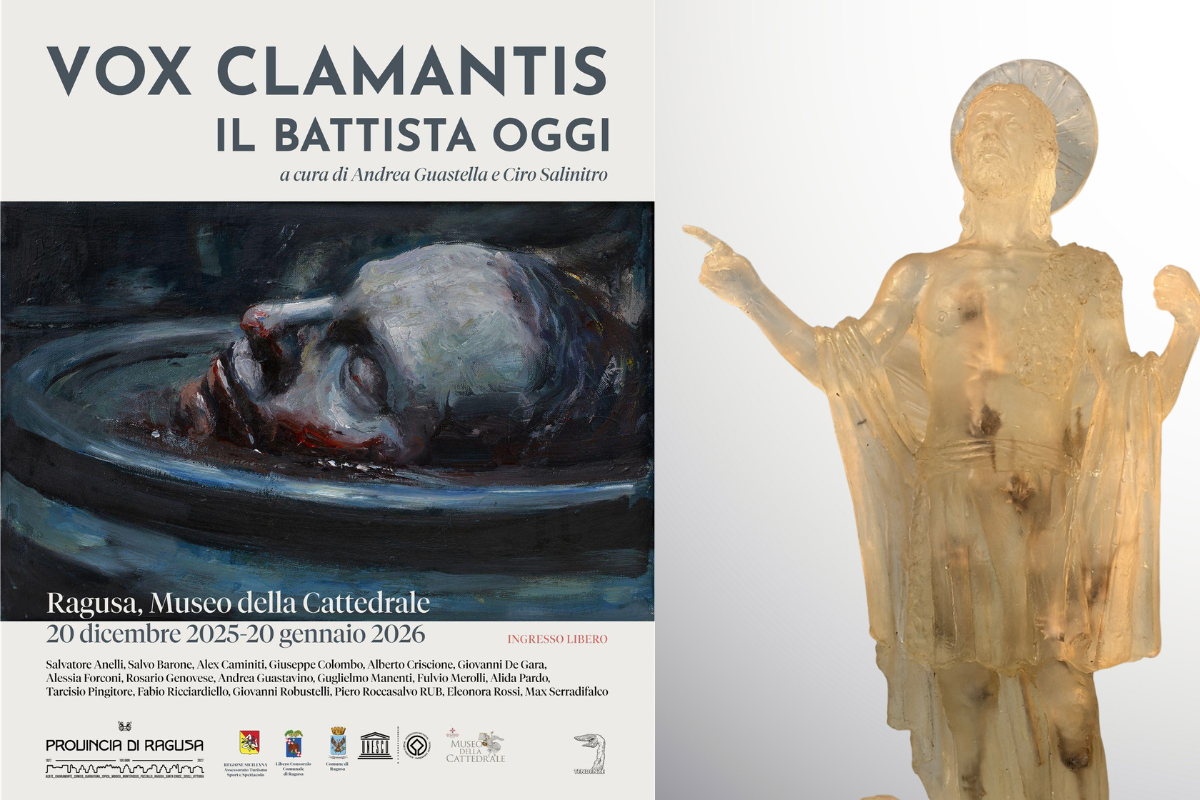
Si è inaugurata il 20 dicembre la collettiva Vox Clamantis, dedicata alla figura di San Giovanni nei nostri giorni,
molte sono le rivisitazioni presentate alla mostra da vari artisti… … nel dettaglio, il lavoro di Alberto Criscione si è concentrato su:
LUCE E TENEBRA
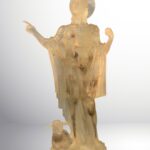
San Giovanni Battista (Luce)
Il Battista è figura emblematica nei Vangeli. È la voce che grida nel deserto, il solo che riconosca il Cristo e ne profetizzi l’avvento. Per questo motivo l’artista lo ha realizzato in resina trasparente: la sua visione è lucida, precisa, dettagliata. Tuttavia all’interno della statua possiamo intravedere delle spine, simbolo della tribolazione che il cammino ascetico comporta.
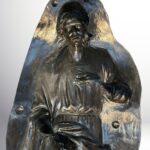
San Giovanni Evangelista (Tenebra)
L’Evangelista è colui che attraversa gli abissi del male e, con l’Apocalisse, rivela il destino dell’uomo. Per ciò è uno stampo nero: quello che, in gergo scultoreo, si dice “negativo”. E tuttavia, da un negativo può nascere una scultura, e quindi un positivo. La conoscenza del male ci riconduce al bene, alla città dei giusti che un giorno sorgerà.
LIGHT AND DARKNESS
Saint John the Baptist (Light)
The Baptist is an emblematic figure in the Gospels. He is the voice crying in the wilderness, the only one who recognizes Christ and prophesies his coming. For this reason, the artist cast him in transparent resin: his vision is lucid, precise, and detailed. However, within the statue, we can glimpse thorns, a symbol of the tribulation that the ascetic path entails.
Saint John the Evangelist (Darkness)
The Evangelist is the one who crosses the abyss of evil and, with the Apocalypse, reveals the destiny of man. For this reason, he is a black mold: what, in sculptural jargon, is called a “negative.” And yet, from a negative, a sculpture can be born, and therefore a positive. The knowledge of evil leads us back to good, to the city of the righteous that will one day arise.
Leggi l’articolo di Art Tribune: Clicca qui